


Finding the Right Land for a Luxury Villa in Thailand
A Guide for Foreign Buyers and Investors
Thailand has long captivated high-net-worth individuals with its extraordinary combination of natural beauty, rich culture, and compelling investment fundamentals. But for those dreaming of developing their own luxury villa, a bespoke residence that perfectly reflects their vision of tropical living. The journey begins long before the architect draws a single line. It begins with the land. Finding and securing the right plot of land in Thailand is simultaneously the most critical and most complex step in the entire development process.
Get it right, and everything that follows, the design, the build, the lifestyle, the returns, flows naturally. Get it wrong, and even the most exquisite villa can become a source of legal headaches, financial loss, or profound disappointment.
This guide walks you through the things you need to know. How to identify the right location, assess a plot’s suitability, understand Thai land title law, navigate foreign ownership rules, and ultimately secure your investment.
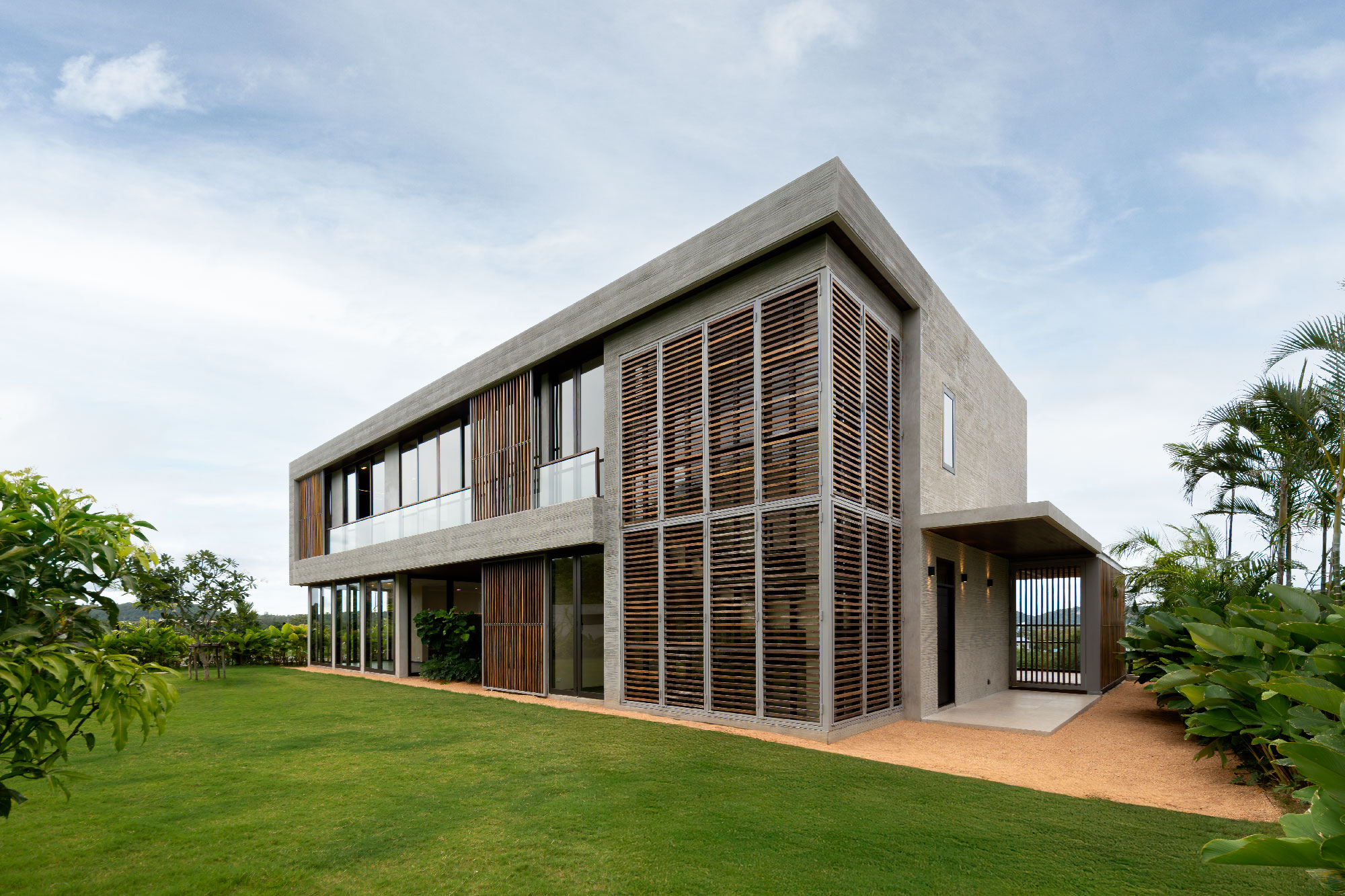

1. Start with Location — But Think Beyond the View
Most buyers begin their land search with a location in mind and rightly so. Thailand offers a remarkable variety of settings for a luxury villa: beachfront plots in Hua Hin or Phuket, hillside estates above Chiang Mai, riverside land in Bangkok’s outer districts, or island retreats on Koh Samui. Each comes with distinct lifestyle benefits, rental dynamics, and practical considerations.
When evaluating a location, experienced developers look beyond aesthetics at:
- Infrastructure and accessibility: How far is the nearest hospital, international school, airport, and town centre? A stunning plot 45 minutes from essential services may not support the lifestyle or rental demand you are looking for.
- Utility availability: Is the land plot connected to mains water and electricity? In rural and coastal areas, infrastructure can be surprisingly limited. Factor in the cost of connecting utilities before finalising your budget.
- Flood risk and drainage: Thailand’s tropical climate brings intense seasonal rainfall. Plots in low-lying areas or near river estuaries can be vulnerable to flooding. A proper site survey will assess drainage capacity and historical flood patterns.
- Neighbouring development: What surrounds the plot today may change significantly within five years. Proximity to planned commercial developments, hotels, or road expansions can either enhance or compromise your investment.
- Sun orientation and prevailing winds: For a luxury villa, natural light and ventilation are architectural fundamentals. A plot orientated to capture morning sun and sea breezes will always command a premium and reduce energy costs.
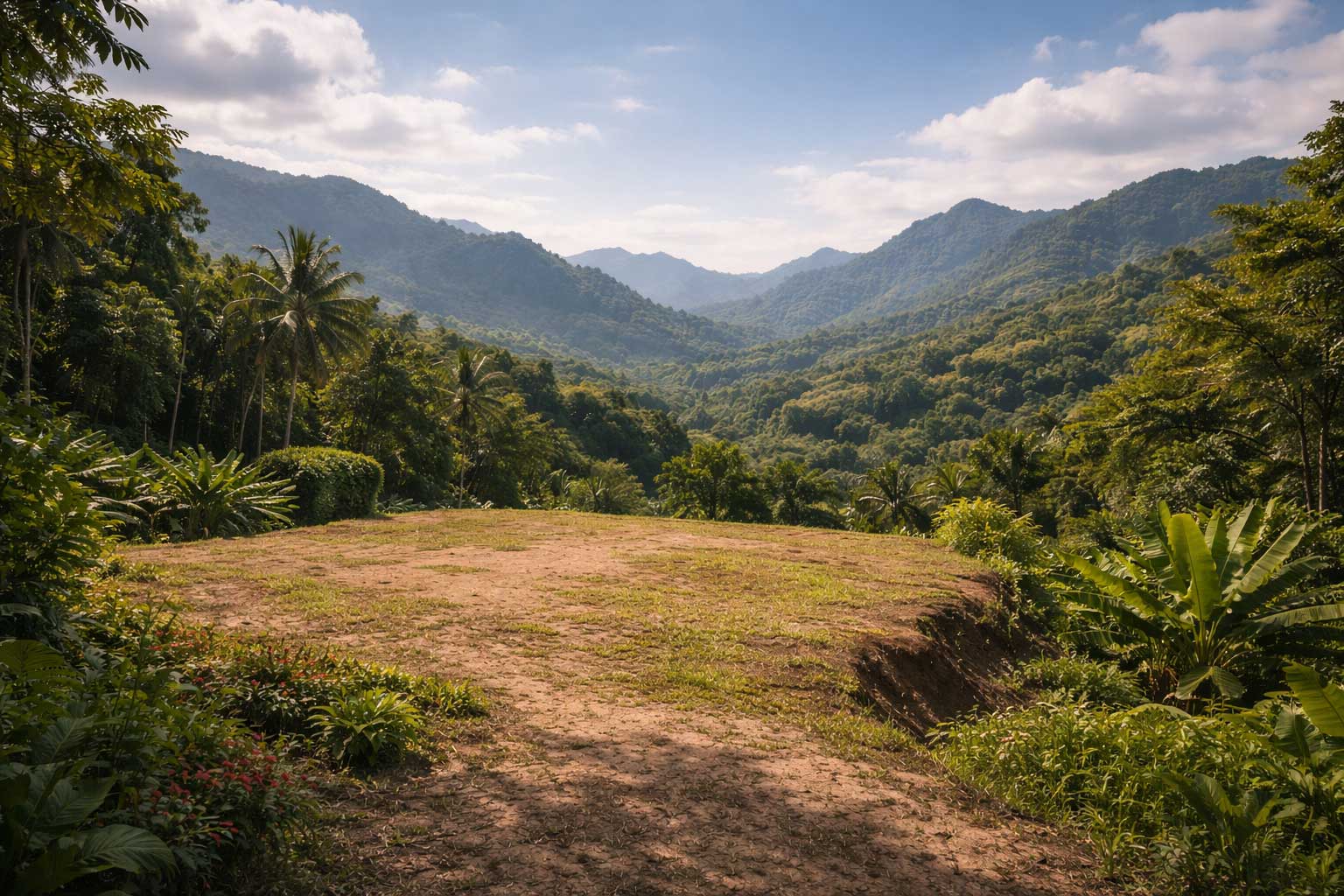
2. Understanding Thai Land Titles — The Single Most Important Step
Thai land title law is nuanced, and misunderstanding it is one of the most common (and costly) mistakes foreign buyers make. Not all land in Thailand is equal, and the type of title document attached to a plot determines everything: your ownership security, your ability to develop, and your resale value.
The hierarchy of Thai land titles:
- Chanote (Nor Sor 4 Jor) — The Gold Standard: A Chanote is the highest form of land title in Thailand and the only one you should seriously consider for a luxury development. It provides GPS-surveyed boundaries registered with the Land Department, full legal ownership rights, and unambiguous transferability. Never purchase land for a significant development on anything less.
- Nor Sor 3 Gor: A step below Chanote, this title is government-surveyed but with less precise boundaries. It can usually be upgraded to Chanote, a process your lawyer or developer can facilitate, but this takes time and should be factored into your timeline.
- Nor Sor 3: Offers occupancy rights but imprecise boundaries and limited legal standing. Avoid for luxury development purposes.
- Sor Kor 1 / NS2 / SPK: These are occupancy certificates, not titles. They confer no real ownership rights and are wholly unsuitable for investment.
⚠ Tip: Always instruct an independent Thai property lawyer to conduct a full title search at the Land Department before committing to any purchase. This verifies ownership history, checks for encumbrances or liens, and confirms the boundaries are correctly registered.
3. Foreign Ownership Rules: What You Can and Cannot Do
Thailand does not permit foreigners to directly own land. This is a well-known fact that causes many international buyers to hesitate. But it should not deter the well-advised investor. There are several well-established and legally sound structures through which foreign nationals secure land for luxury villa development:
- Long-term leasehold (30+30+30 years): The most common structure for foreign buyers. A registered 30-year lease with two consecutive renewal options provides up to 90 years of land use. The lease is registered at the Land Department and offers strong legal protection. For a luxury private residence or rental villa, this is a practical and widely used solution.
- Thai Limited Company: A foreign national can hold shares in a Thai company that owns the land, provided at least 51% of shares are held by Thai nationals. This structure requires careful legal set-up and ongoing compliance obligations, but is commonly used for investment properties and larger developments.
- Foreign Business Act Exceptions: Under the BOI (Board of Investment) and certain investment promotion schemes, qualifying foreign investments can receive special permissions for land ownership. This route is complex but worth exploring for large-scale luxury developments.
- Condominium freehold: While not applicable to standalone villas, it is worth noting that foreigners can own up to 49% of the units in a registered condominium building in freehold. Relevant if considering a luxury apartment investment alongside a villa project.
4. Zoning, Planning Permissions and Development Restrictions
Even a perfect plot of land with a Chanote title can be rendered unusable for a luxury villa if it sits within a protected zone or carries development restrictions. Due diligence on planning and zoning is non-negotiable.
Key checks to conduct before purchase:
- Land use zoning: Thailand’s provincial zoning maps designate land as residential, agricultural, commercial, or conservation. You must confirm the plot is zoned for residential construction.
- Setback requirements: Coastal plots, for example, are subject to strict setback rules. Typically no construction within 200 metres of the high-tide mark in protected areas. Verify applicable restrictions with the local municipality.
- Building height restrictions: Many scenic and coastal areas in Thailand cap building heights to preserve views and character. Your design must comply from the outset.
- Environmental and heritage overlays: Plots near national parks, heritage sites, or mangrove forests face additional restrictions. An environmental impact assessment may be required for larger developments.
- Agricultural land reclassification: Some plots are registered as agricultural land and must be reclassified before residential development is permitted. This is a process your developer can manage but adds time to the pre-construction phase.
5. Conducting a Thorough Site Assessment
Before any purchase contract is signed, a basic site assessment should be commissioned. This goes far beyond a casual visit and should be carried out by qualified professionals. A full-service developer like us at Minerva Thailand conducts this assessment as a standard part of the land buying process in Thailand.
A thorough site assessment includes:
- Boundary verification: Physically confirms the plot boundaries match the title document. Discrepancies, while uncommon with Chanote titles, do occur and must be resolved before purchase.
- Utility connectivity assessment: Identifies the nearest connection points for water, electricity, internet, and sewage, along with estimated connection costs.
- Access rights confirmation: Verifies that legal access rights to the plot are properly documented. Landlocked plots without registered access are a serious liability.
6. Negotiating and Securing the Land
Once you have identified a suitable plot and completed due diligence, the process of negotiation and purchase can begin. In Thailand, this process differs in several important ways from Western property markets.
- Price negotiation: Land prices in Thailand are not always transparent, and sellers will often quote a premium to foreign buyers. An experienced local developer or agent with established market knowledge can negotiate effectively on your behalf, drawing on comparable transactions and local relationships.
- Reservation agreement: Once a price is agreed, a reservation agreement (or deposit agreement) is typically signed, with a small deposit to take the land off the market while due diligence is completed or finalised.
- Sale and Purchase Agreement (SPA): The formal SPA sets out all terms of the transaction. This document must be reviewed by a qualified Thai property lawyer before signing. Ensure the SPA clearly defines the ownership structure (leasehold or company), transfer timeline, payment schedule, and conditions precedent.
- Land Department registration: The transfer of land in Thailand must be registered at the local Land Department office in the presence of both parties. Transfer fees, specific business tax (if applicable), stamp duty, and withholding tax are paid at this stage. Budgeting approximately 3–6% of the purchase price for transaction costs is prudent.
- Foreign Exchange Transaction (FET) certificate: Foreign nationals purchasing property in Thailand must remit funds from overseas in foreign currency and obtain a FET certificate from their receiving Thai bank. This document is essential for title registration and future fund repatriation.
7. Why Land Sourcing Is Best Left to a Full-Service Developer
The land sourcing process in Thailand is genuinely complex. Legally, technically, and commercially. Foreign buyers navigating it independently, or relying on inexperienced agents, frequently encounter avoidable problems. Title disputes, zoning violations, undisclosed encumbrances, overpriced acquisitions, or development restrictions that only emerge after contracts are signed.
Working with a full-service developer like us at Minerva Thailand fundamentally changes this dynamic. At Minerva Thailand, we approach land sourcing as the foundation of every project, not an afterthought.
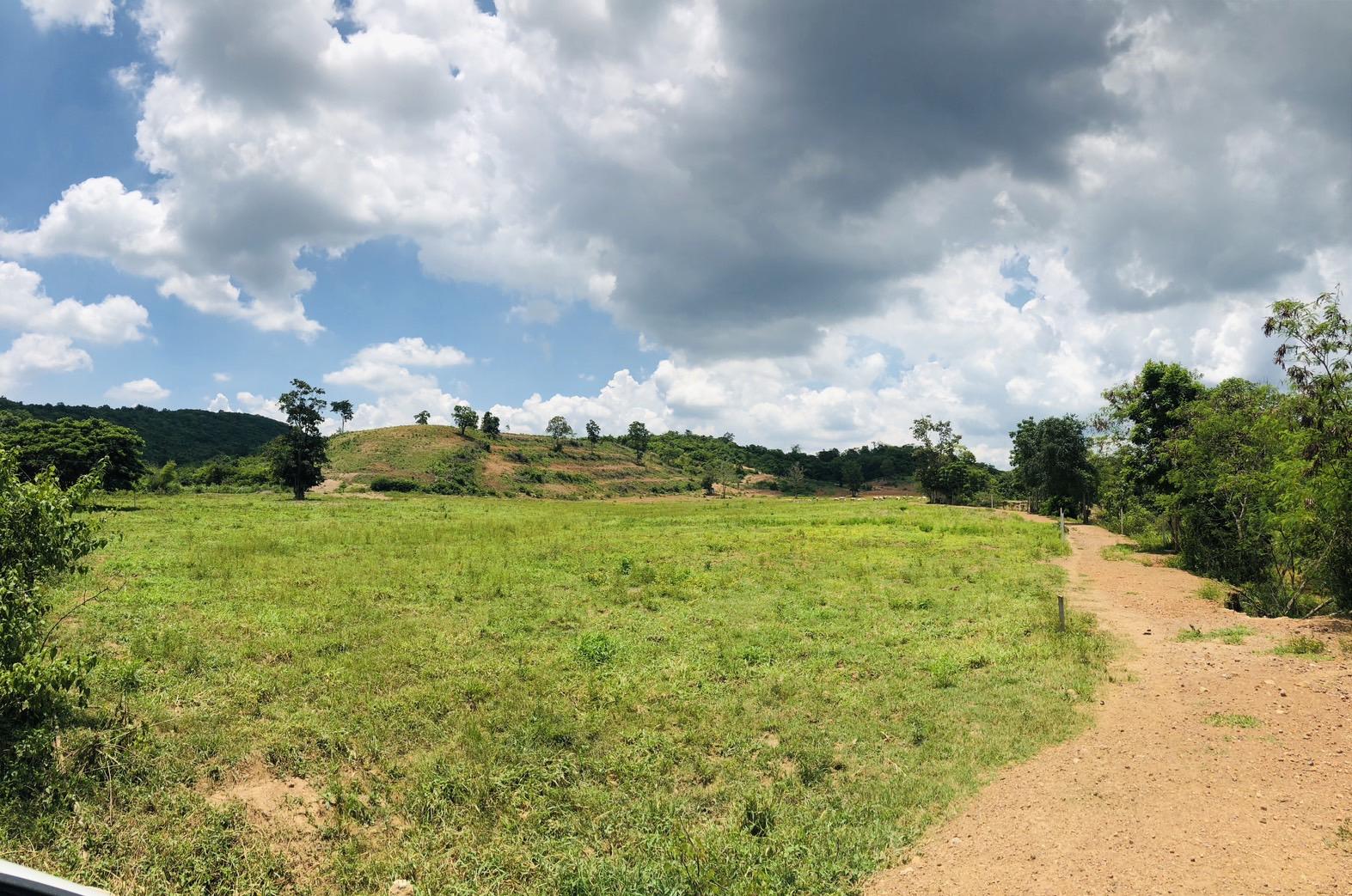
The move toward bespoke homes does not mean buyers want more complexity. In fact, it is the opposite. What makes bespoke homes viable is the rise of end-to-end development partners, developers that manage:
- Land sourcing
- Design coordination
- Construction oversight
- Budget and timeline control
The process can be fully managed for you. You retain control over the decisions that matter, without managing the day-to-day details yourself. You get the peace of mind once associated with branded developments, but without their limitations.
Ready to Find Your Perfect Plot in Thailand?
Speak with Minerva Thailand’s expert team about land sourcing, ownership structures, and our full-service development process.
sales@minerva-thailand.com | +66 (0) 85 541 4265 | minerva-thailand.com